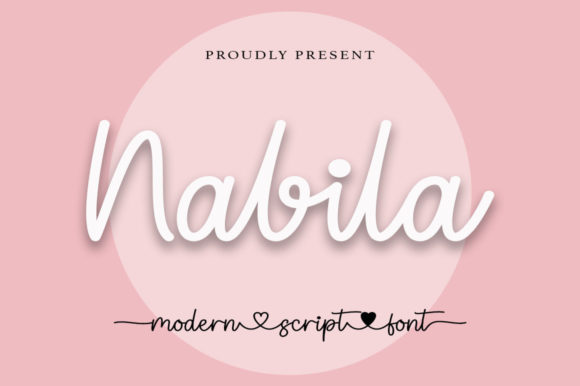
Nabila: The Elegant Script Font for Sophisticated Design
Every designer knows the moment a project calls for a touch of effortless elegance—a typeface that doesn't just convey words but embodies a feeling. This is where Nabila, a chic and refined script font, steps in, offering a blend of sophistication and stylistic flair that can elevate any creative endeavor.
In the realm of modern graphic design, typography is a cornerstone of visual communication. The right font choice establishes tone, directs hierarchy, and forges an immediate emotional connection with the audience. Nabila, with its flowing letterforms and polished aesthetic, serves as a powerful tool for projects aiming to convey luxury, creativity, and a personal touch. Its value lies in its ability to transform standard text into a central design element, making it a vital asset in a designer's toolkit.
Practical Applications for Visual Impact
The versatility of a script font like Nabila allows it to shine across numerous applications, each benefiting from its distinctive character.
- Branding and Logo Design: For brands in the fashion, beauty, wedding, or luxury goods sectors, Nabila can craft logos and monograms that feel bespoke and high-end. It helps build a brand identity that is both memorable and visually cohesive.
- Marketing Materials: From elegant invitations and thank-you cards to premium brochure headers, this font adds a layer of refinement that captures attention and communicates quality.
- Social Media Graphics: In a crowded digital space, Nabila helps create standout quotes, sale announcements, and story templates that enhance a brand's visual consistency and professional presentation.
- Editorial and Packaging Design: It can be used for magazine headlines, book titles, or product packaging where a touch of artistry is needed to appeal to a discerning consumer.
Integrating Nabila into Your Design Workflow
Effectively using a script font requires more than just selection; it demands thoughtful application. To maximize its impact while maintaining readability, consider these design principles.
First, establish a clear visual hierarchy. Nabila is best used for headlines, pull quotes, or accent text rather than for long body paragraphs. Pair it with a clean, sans-serif or serif font for supporting copy to ensure clarity and balance. Second, always test for scalability and legibility across different sizes and mediums, from a small favicon to a large printed banner. Its PUA encoding is a significant practical advantage, granting easy access to all glyphs and swashes for customized letterforms that avoid repetitive characters and enhance the design's uniqueness.
When integrating it into an existing brand system, ensure Nabila's style aligns with the overall aesthetic and color palette. It should complement, not clash with, other visual elements. For digital applications like web design or UI, use it sparingly for key moments—like a hero section headline—to create impact without compromising user experience or load times.
Ultimately, the power of a curated creative asset lies in its ability to streamline the design process while elevating the final output. Choosing a font like Nabila is an investment in the visual narrative of a project. By applying it with intention and an understanding of design fundamentals, creators can produce work that is not only beautiful but also communicates with greater clarity and sophistication, leaving a lasting impression on any audience.