Nothing is Impossible: The Handwritten Font for Romantic Design
Understanding the Visual Impact of Script Typography
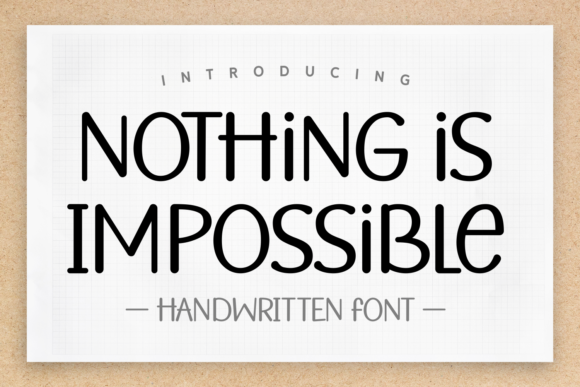
Typography is a cornerstone of visual hierarchy and brand identity. While body text prioritizes readability, display fonts like Nothing is Impossible excel at capturing attention and conveying a specific mood. This particular script font, with its elegant loops and varied baseline, mimics the organic flow of natural handwriting. This quality is crucial for creating designs that feel personal and approachable, directly addressing the growing consumer desire for authenticity in branding and digital marketing.
The application of such a font extends far beyond mere decoration. It serves as a strategic element in visual design, capable of softening a corporate message, elevating a luxury product, or adding a layer of storytelling to a social media graphic. Its effectiveness lies in its ability to evoke emotion quickly, making it ideal for projects where connection is the primary goal.
Practical Applications Across Creative Projects
The versatility of the Nothing is Impossible font allows it to shine across a wide spectrum of design contexts. Here are several key areas where it can add significant value:
- Branding and Logo Design: Perfect for boutique businesses, wedding planners, artisanal products, or lifestyle brands. It can establish a friendly, bespoke brand identity that stands apart from competitors.
- Marketing Materials: From greeting cards and invitations to event posters and flyers, the font adds a personal, celebratory touch that enhances engagement and response rates.
- Social Media Content: Ideal for creating eye-catching headlines, quotes, and call-to-action overlays that increase shares and comments. Its visual appeal helps content stand out in crowded feeds.
- Website and UI Design: Used strategically for hero section headings, special promotional banners, or pull quotes, it can create focal points and guide user experience (UX) with emotional cues.
- Editorial and Packaging Design: Enhances magazine layouts, book covers, and product packaging with a touch of elegance and artisanal quality, influencing perceived value and shelf appeal.
- Digital Products and Presentations: Adds a professional yet personal flair to e-books, online course materials, and slide decks, improving audience connection and information retention.
Integrating Script Fonts into a Cohesive Design Workflow
While the aesthetic of Nothing is Impossible is compelling, its successful implementation requires thoughtful consideration within your broader design system. To maintain a polished and professional result, consider these guidelines:
- Prioritize Readability: Reserve its use for headlines, titles, or short phrases. Avoid using it for long paragraphs of body text where legibility at smaller sizes is paramount.
- Establish Visual Hierarchy: Pair it with a simple, clean sans-serif or serif font for supporting text. This contrast creates a balanced composition and ensures clear communication.
- Consider the Color Palette: The font’s romantic feel is amplified by warm, muted, or pastel color schemes. Ensure sufficient contrast with the background for accessibility.
- Test for Scalability: Check how the font renders at various sizes across different devices and print resolutions to ensure its details remain crisp and effective.
- Align with Audience Expectations: Ensure the script’s style matches the tone of your brand and resonates with your target demographic’s preferences and cultural context.
In the realm of modern design, the choice of typeface is a fundamental decision that shapes perception and communication. Resources like the Nothing is Impossible font provide designers with the means to break away from the ordinary and craft experiences that feel genuine and evocative. By carefully selecting and applying such creative assets, you can enhance your branding, deepen user engagement, and ensure every visual touchpoint reflects a thoughtful and cohesive design strategy. Ultimately, the right typography does not just display words—it elevates the entire narrative.